What You Need to Know Before Anesthesia
Everything a patient needs to do and be aware of before surgery and anesthesia, explained by DSM Clinic specialists.
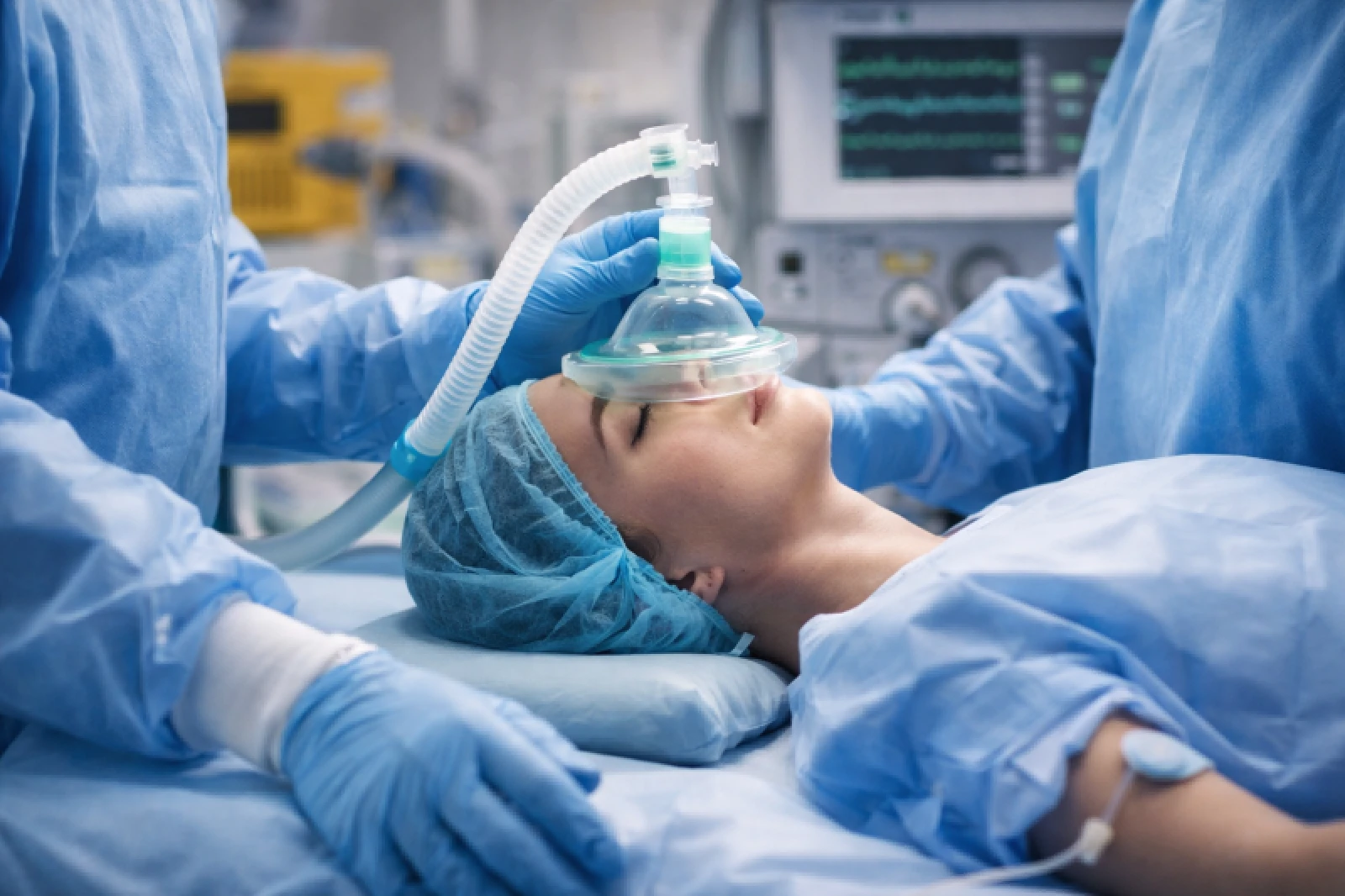
Anesthesia is one of the most critical components of a successful surgery. However, for anesthesia to be administered safely and effectively, the patient must complete several important steps before the procedure without omission. This preparation process both reduces the risk of complications and accelerates recovery.
One of the most important steps before anesthesia is the preoperative consultation with the anesthesiologist. During this consultation, existing medical conditions, medications in use, allergy history, previous surgical experiences, and anesthesia complications observed in family members should be shared. This information is indispensable for correctly designing the anesthesia plan.
Fasting rules are one of the cornerstones of anesthesia safety. As a general rule, solid food intake must be stopped at least 6-8 hours before surgery, and clear liquid intake 2-4 hours before. Failure to comply with this rule can lead to a life-threatening complication such as stomach contents entering the lungs. If your physician has recommended a different period specifically for you, be sure to follow it.
If general anesthesia is to be applied, some medications may need to be discontinued before the procedure. Blood thinners, diabetes medications, and herbal supplements fall into this category. Your anesthesiologist will decide which medications to stop and when; do not stop or start any medication on your own initiative.
For smokers, quitting smoking at least a few weeks before surgery significantly reduces pulmonary complications. Alcohol consumption should also be stopped before the procedure, as it affects the metabolism of anesthetic drugs. These two habits are among the factors that directly affect both anesthesia risk and the recovery process.
Before surgical procedures, removable objects such as dental prostheses, contact lenses, and jewelry must be removed. Tying up long hair and removing nail polish and makeup are also standard preparation steps. These preparations are important both for the proper functioning of monitoring equipment and for maintaining sterility.
On the day of the procedure, comfortable and loose clothing should be preferred, and a companion must be present. You will not be able to drive until the anesthesia effect has worn off, and making important decisions is not recommended. Nausea, drowsiness, and mild dizziness after anesthesia are normal; these symptoms pass quickly. You may consult our specialist team for all your questions.